| How The Pigs' Music Works (оригинал) | Как Работает Музыка Свиней (перевод) |
|---|---|
| Monica: Well, this should be interesting | Моника: Ну, это должно быть интересно |
| Spider: Remember that they make music with a very dense light | Паук: Помните, что они создают музыку с очень плотным светом. |
| John: Yeah | Джон: Да |
| Monica: O. K | Моника: О.К. |
| Spider: And remember about the smoke standing still and how they they really | Паук: И помни про стоячий дым и как они на самом деле |
| get uptight when you try to move the smoke, right? | нервничаешь, когда пытаешься убрать дым, верно? |
| Monica: Right | Моника: Верно |
| John: Yeah? | Джон: Да? |
| Spider: I think the music in that dense light is probably what makes the smoke | Паук: Я думаю, что музыка в этом плотном свете, вероятно, создает дым. |
| stand still. | стоять на месте. |
| As soon as the pony’s mane starts to get good in the back any sort | Как только грива пони начинает хорошо прирастать на спине |
| of motion, especially of smoke or gas, begins to make the ends split | движения, особенно дыма или газа, начинает разводить концы |
| Monica: Well don’t the splitting ends change the density of the ponies' music | Моника: Разве секущиеся концы не меняют плотность музыки пони? |
| so it affects the density of the pigs' music, which makes the smoke move which | так что это влияет на плотность музыки свиней, которая заставляет двигаться дым, который |
| upsets the pigs? | раздражает свиней? |
| Spider: No, it isn’t like that | Паук: Нет, это не так |
| John: Well, how does it work? | Джон: Ну, как это работает? |
| Spider: Well, what it does is when it strikes any sort of energy field or solid | Паук: Что он делает, так это когда сталкивается с каким-либо энергетическим полем или твердым телом. |
| object or even something as ephemeral as smoke, the first thing it does is | объекта или даже чего-то столь же эфемерного, как дым, первое, что он делает, это |
| begins to inactivate the molecular motion so that it slows down and finally | начинает инактивировать молекулярное движение так, что оно замедляется и, наконец, |
| stops. | останавливается. |
| That’s why the smoke stops. | Вот почему дым прекращается. |
| And also have you ever noticed how the the | А также вы когда-нибудь замечали, как |
| smoke clouds shrink up? | облака дыма сжимаются? |
| That’s because the molecules come closer together. | Это потому, что молекулы сближаются. |
| The cold light makes it get so small, this is really brittle smoke | Холодный свет делает его таким маленьким, что это действительно ломкий дым. |
| John: And that’s why the pigs don’t want you to touch it | Джон: Вот почему свиньи не хотят, чтобы ты к ней прикасался. |
| Spider: See, when the smoke gets that brittle what happens when you try to move | Паук: Смотри, когда дым становится таким хрупким, что происходит, когда ты пытаешься двигаться |
| it is it disintegrates | это он распадается |
| John: And the pigs get uptight 'cause you know they, they worship that smoke. | Джон: А свиньи нервничают, потому что, ты же знаешь, они боготворят этот дым. |
| They salute it every day | Они приветствуют его каждый день |
| Monica: You know we’ve got something here | Моника: Знаешь, у нас тут кое-что есть. |
| John: And, and, and, and that’s the basis of all their nationalism. | Джон: И, и, и, и это основа всего их национализма. |
| Like if they can’t salute the smoke every morning when they get up. | Например, если они не могут приветствовать дым каждое утро, когда встают. |
| . | . |
| Spider: Yeah, it’s a vicious circle. | Паук: Да, это замкнутый круг. |
| You got it | Ты понял |
Перевод текста песни How The Pigs' Music Works - Frank Zappa
Информация о песне На данной странице вы можете ознакомиться с текстом песни How The Pigs' Music Works , исполнителя -Frank Zappa
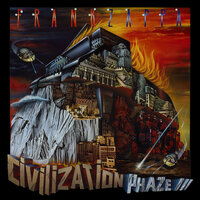
Песня из альбома: Civilization Phase III
В жанре:Иностранный рок
Дата выпуска:30.10.1994
Язык песни:Английский
Лейбл звукозаписи:Zappa Family Trust
Выберите на какой язык перевести:
Напишите что вы думаете о тексте песни!
Другие песни исполнителя:
| Название | Год |
|---|---|
| 2011 | |
| 2011 | |
| 2011 | |
| 2011 | |
| 2011 | |
| 2016 | |
| 2011 | |
| 1975 | |
| 2011 | |
| 2011 | |
| 2011 | |
| 2011 | |
| 2011 | |
| 2011 | |
| 2011 | |
| 2011 | |
| 2011 | |
| 2011 | |
| 2011 | |
| 2011 |